Grand County, Colorado, is a birdwatcher’s dream. From alpine ridges to peaceful wetlands, the region is home to an incredible range of Colorado birds. This bird guide of Grand County highlights where to find them, what to look for, and the best times to visit. Whether you’re tracking rare species or simply enjoying the sights and sounds of nature, birdwatching here offers endless rewards for wildlife in Colorado enthusiasts.
Forest Road-139 (Crooked Creek /Keyser Creek Rds)
In the forests west of Fraser, Forest Road-139 winds through spruce and aspen groves where some of the best birding trails near by can be found. Quiet mornings along this route often reward watchers with views of vireos, sapsuckers, and woodpeckers in their natural habitat.
Warbling Vireos
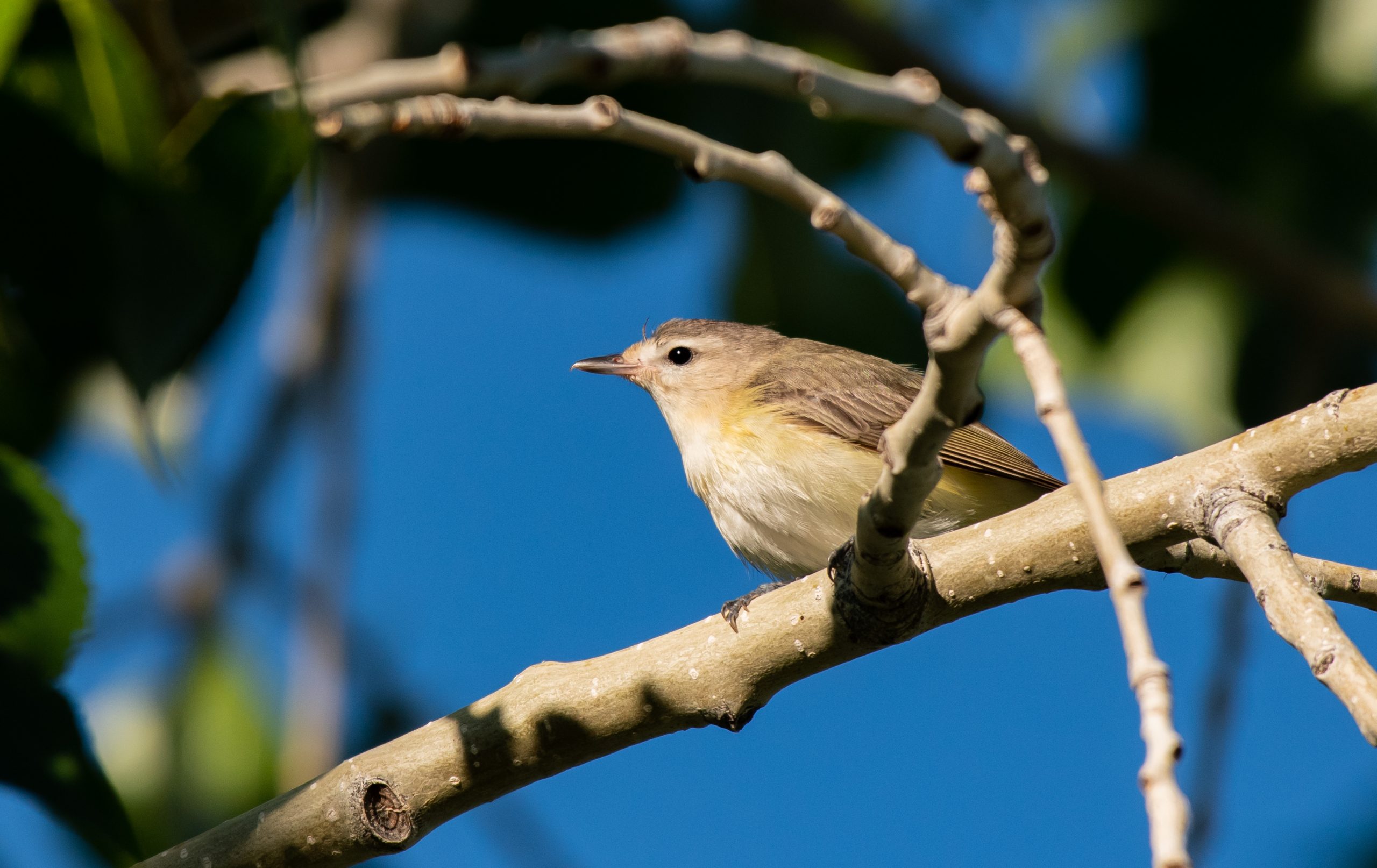
Warbling Vireos are small, gray-green songbirds found in deciduous trees. They sing a rolling, cheerful song and often move quickly among high branches.
Best Time to See Warbling Vireos
Late May through July, when males sing consistently during breeding season.
Red-naped Sapsuckers
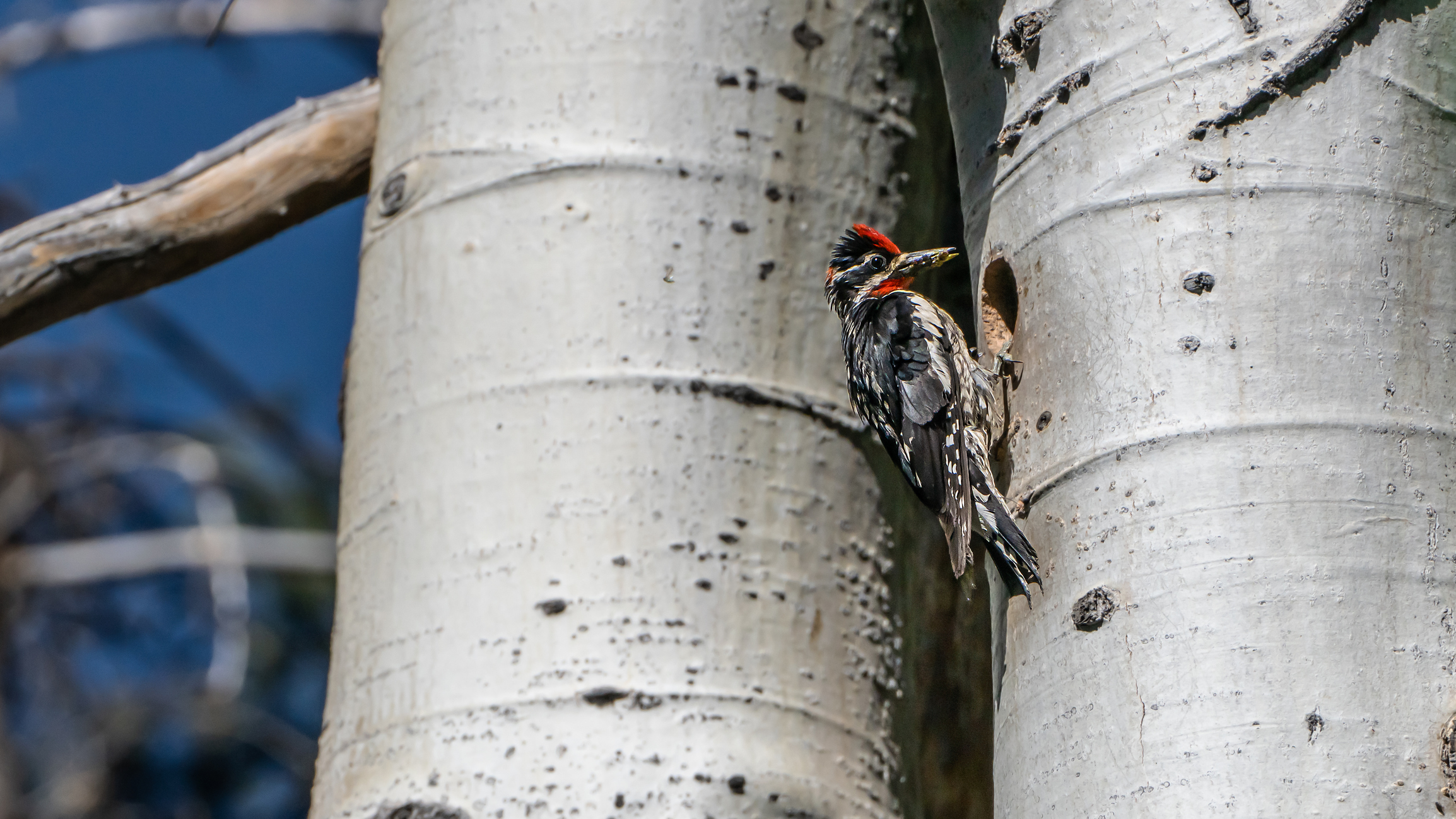
Red-naped Sapsuckers are medium-sized woodpeckers that drill sap wells in aspens. Their red nape and patterned back make them easy to recognize in the forest.
Best Time to See Red-naped Sapsuckers
June and early July, when they are actively feeding on sap and insects near open forest edges.
American Three-toed Woodpecker
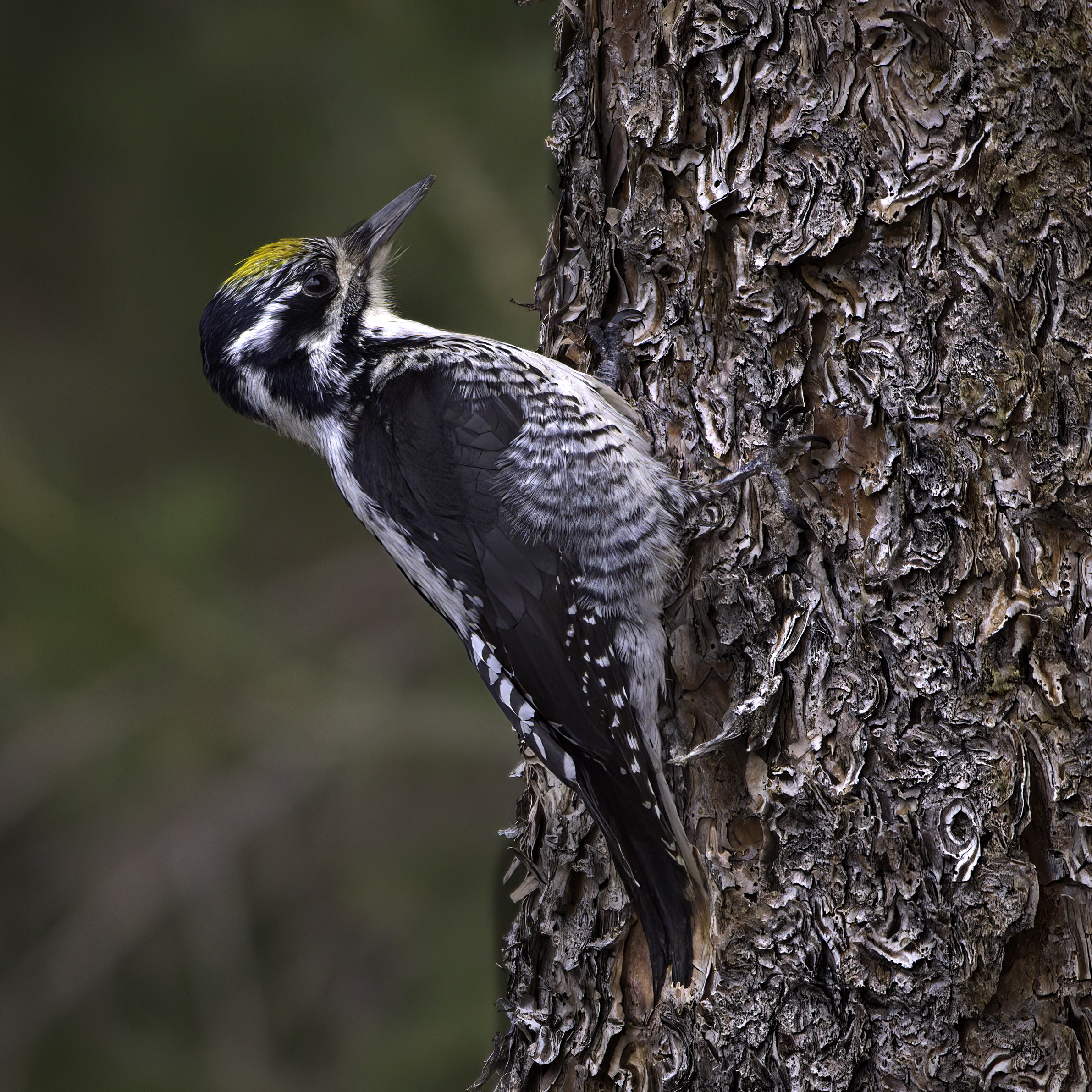
This woodpecker favors mature conifer forests and feeds on beetle larvae under bark. Its three toes give it a strong grip for scaling tree trunks in steep terrain.
Best Time to See American Three-tied Woodpecker
Late winter through early spring, when drumming is frequent in quiet forests.
Hot Sulphur Springs
The cottonwoods and meadows near Hot Sulphur Springs attract several bright summer birds. The Colorado River corridor creates ideal birdwatching habitat for buntings, orioles, and warblers.
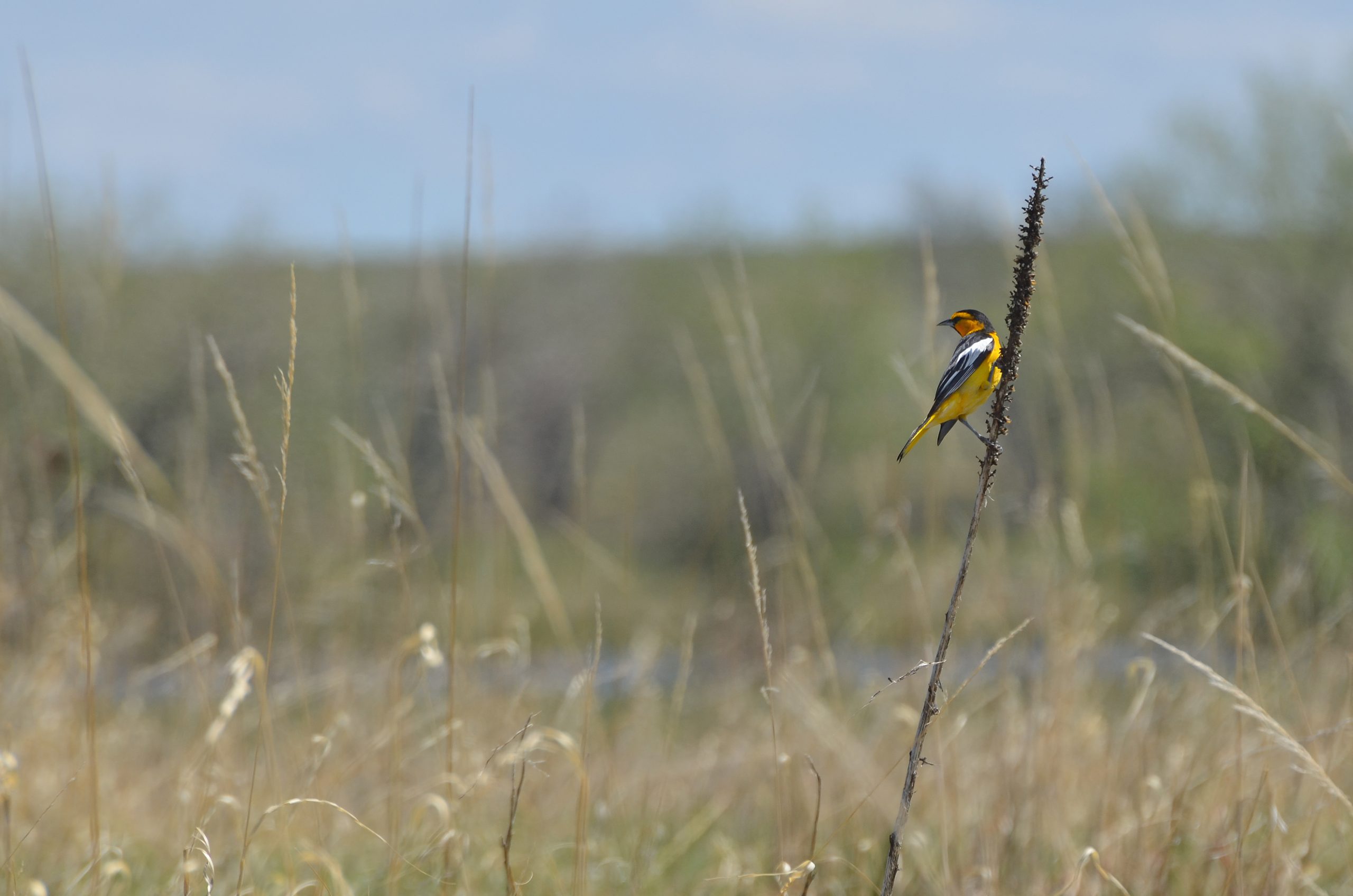
Bullock’s Orioles
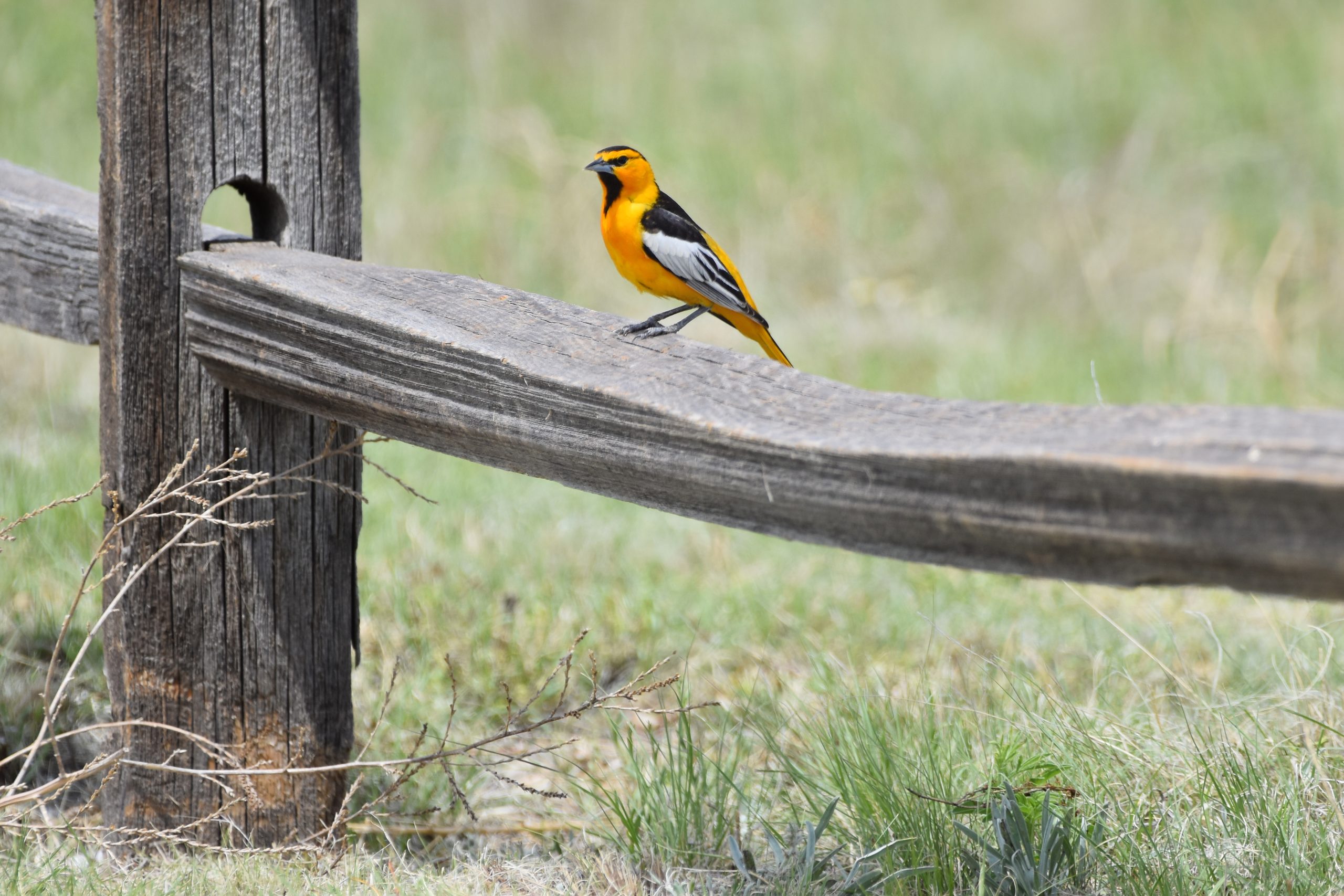
Bullock’s Orioles build hanging nests from grass and fibers high in cottonwood trees. Their orange and black coloring makes them easy to spot along the river.
Best Time to See Bullock’s Orioles
Late May through August, when breeding pairs are nesting and feeding young.
Lazuli Bunting
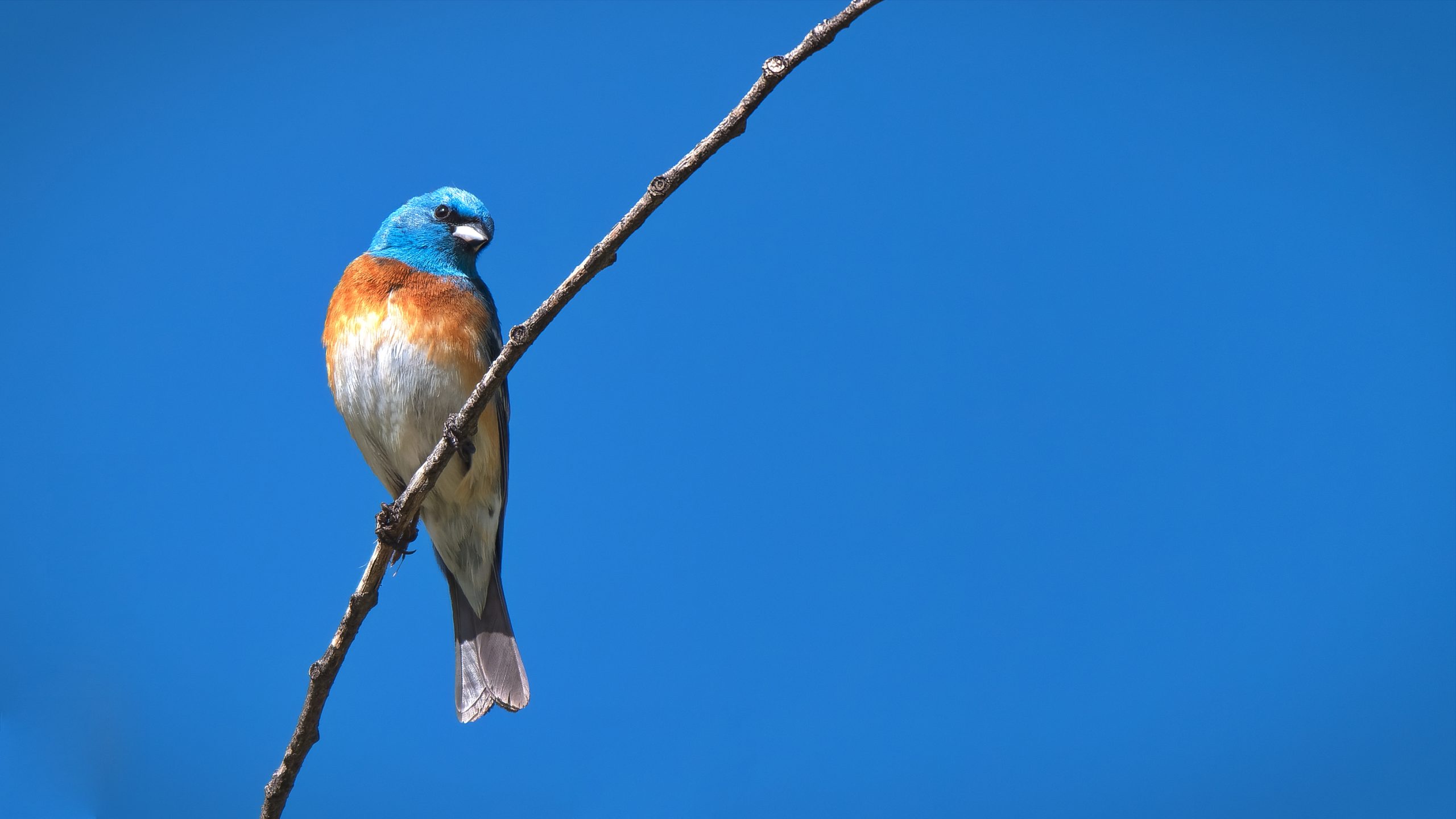
Lazuli Buntings are small blue and rust-colored songbirds that favor open shrublands and meadows. Males sing from exposed perches during the summer months.
Best Time to See Lazuli Bunting
June through July, when they are nesting and most vocal near brushy areas.
Yellow Warblers
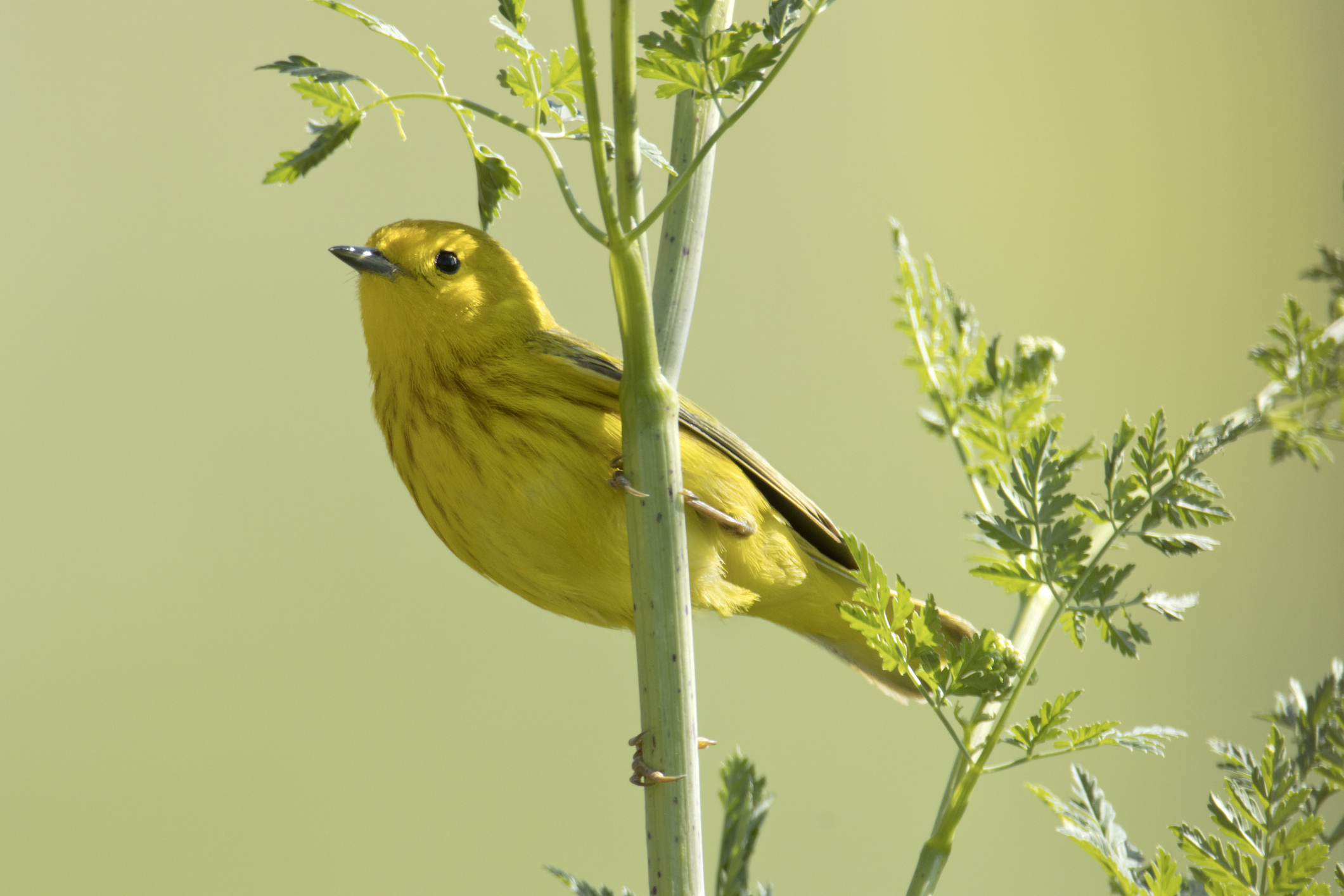
Yellow Warblers are bright yellow and often seen flitting through willows near streams. Their clear, sweet song is one of the most recognizable of Colorado birds.
Best Time to See Yellow Warblers
May through August, when they are active in riparian habitats and raising young.
Trail Ridge Road
Trail Ridge Road in Rocky Mountain National Park climbs above treeline, offering alpine habitats that support specialized bird species. The route provides excellent views of wildlife in Colorado, especially high-elevation birds.
Clark’s Nutcrackers

Clark’s Nutcrackers are gray and black with white tail patches. They store pine seeds in the soil and play a key role in forest regeneration.
Best Time to See Clark’s Nutcrackers
August through October, when they gather seeds from pine cones and cache them for winter.
White-tailed Ptarmigan
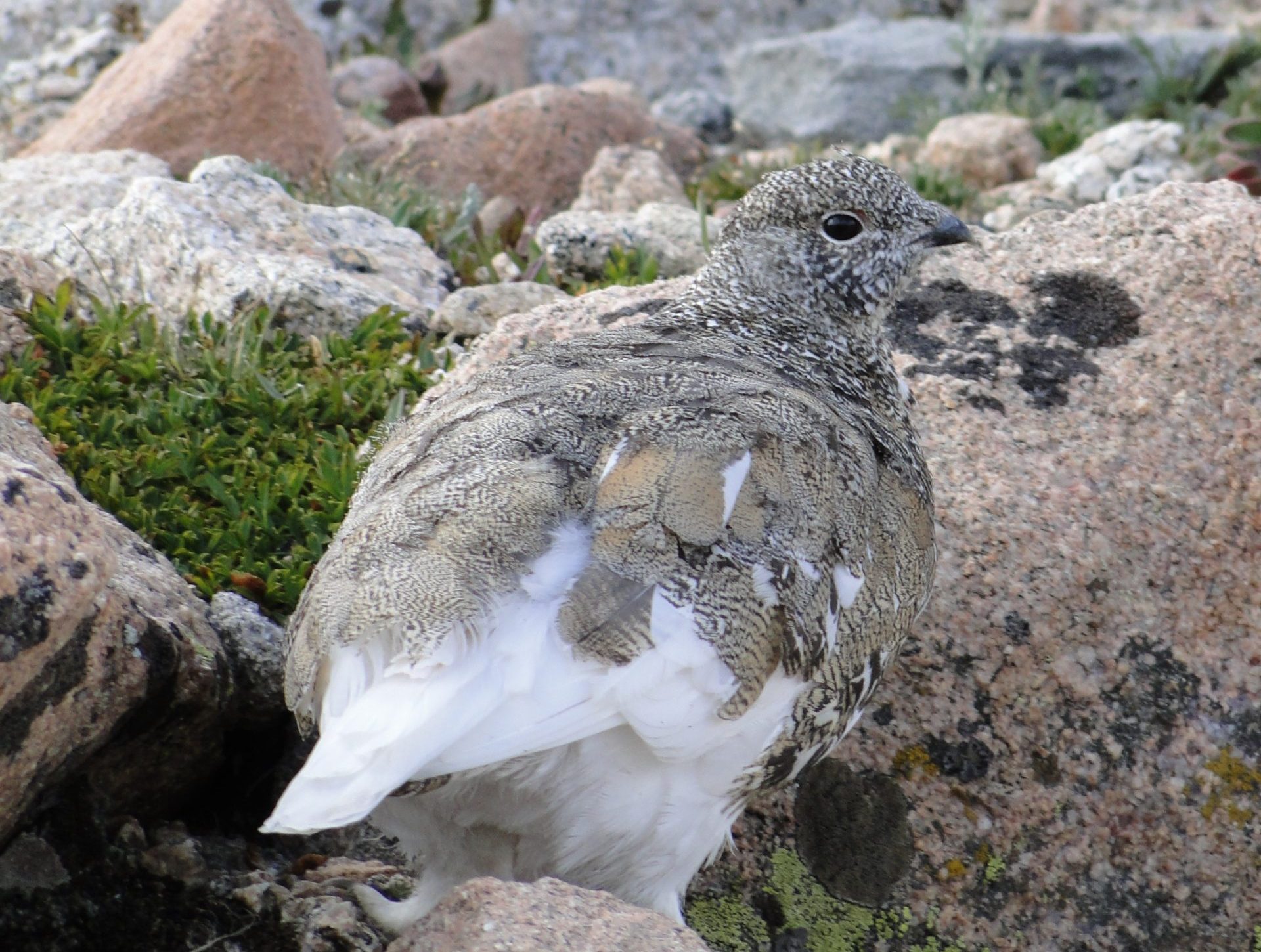
White-tailed Ptarmigan live year-round in alpine tundra. Their feathers change color with the seasons, providing camouflage from predators.
Best Time to See White-tailed Ptarmigan
Spring and early fall, when they move between tundra ridges before snow becomes deep.
Steller’s Jays
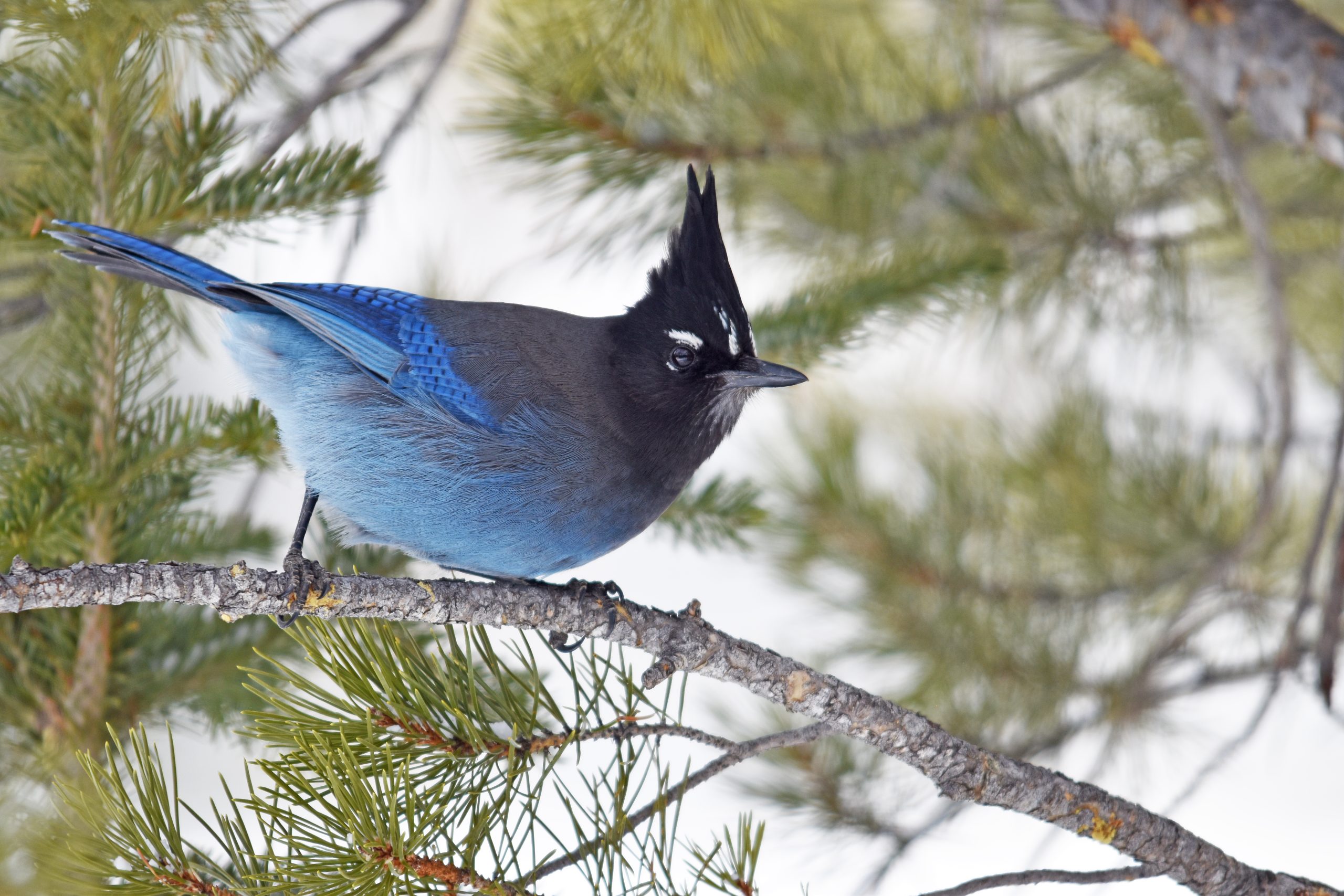
Steller’s Jays are blue and black jays common in mountain forests. They are noisy, social birds that often gather near campgrounds and picnic areas.
Best Time to See Steller’s Jays
Year-round; they are most visible in the morning and near forest clearings.
Grand Lake
The forests and wetlands around Grand Lake provide a mix of mountain and aquatic habitats. It’s one of the best areas for birdwatching waterfowl and raptors in Grand County.
Greater Sage-Grouse
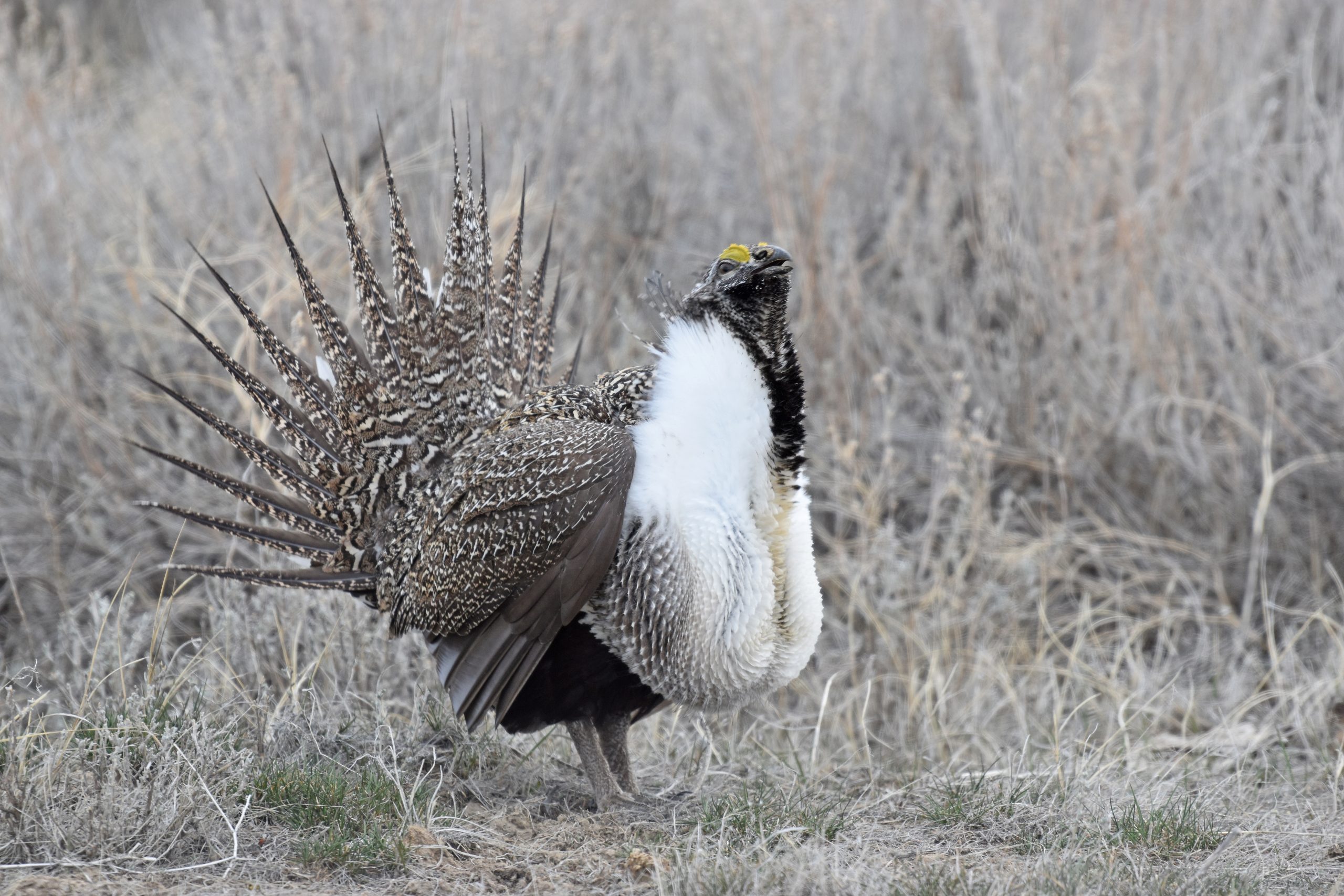
Greater Sage-Grouse are large ground-dwelling birds that display elaborate courtship dances in spring. Males puff up chest sacs and fan their tail feathers to attract females.
Best Time to See Greater Sage-Grouse
March through May, just after sunrise on open sage flats used for breeding displays.
Barrow’s Goldeneye
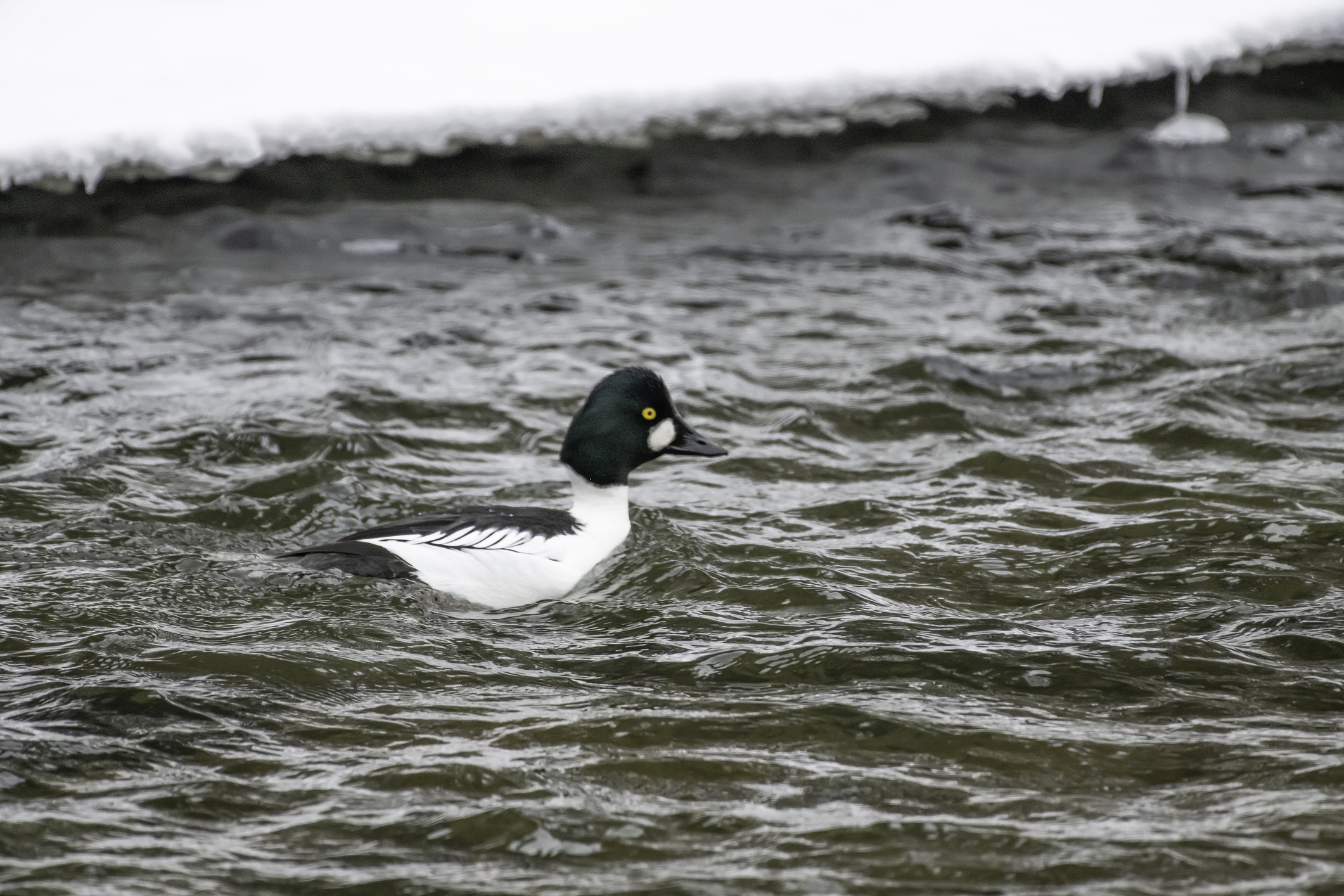
Barrow’s Goldeneyes are small diving ducks with bright white patches on their faces. They feed on insects and crustaceans in cold, clear mountain lakes.
Best Time to See Barrow’s Goldeneye
Late spring through fall, when lakes are ice-free and feeding activity increases.
Osprey
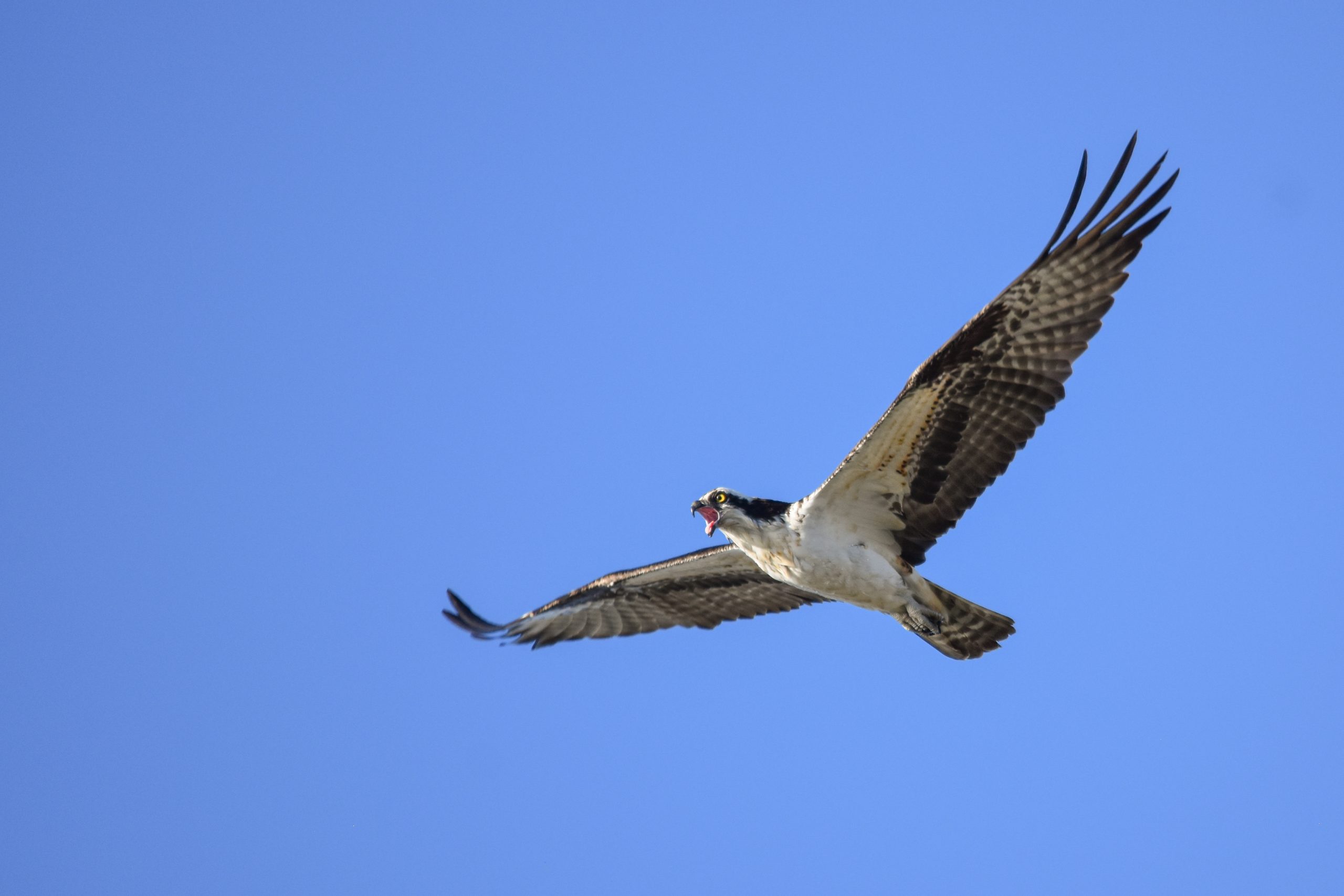
Ospreys are large raptors that nest near open water. They catch fish with sharp talons and can often be seen flying low over the lake surface.
Best Time to See Ospreys
April through September, when nesting platforms and tree-top nests are active.
Williams Fork Reservoir
Williams Fork Reservoir provides a wide, open landscape with wetlands and grasslands. It’s a reliable spot for sparrows and blackbirds, two groups often found along birding trails in western Grand County.
Savannah Sparrows
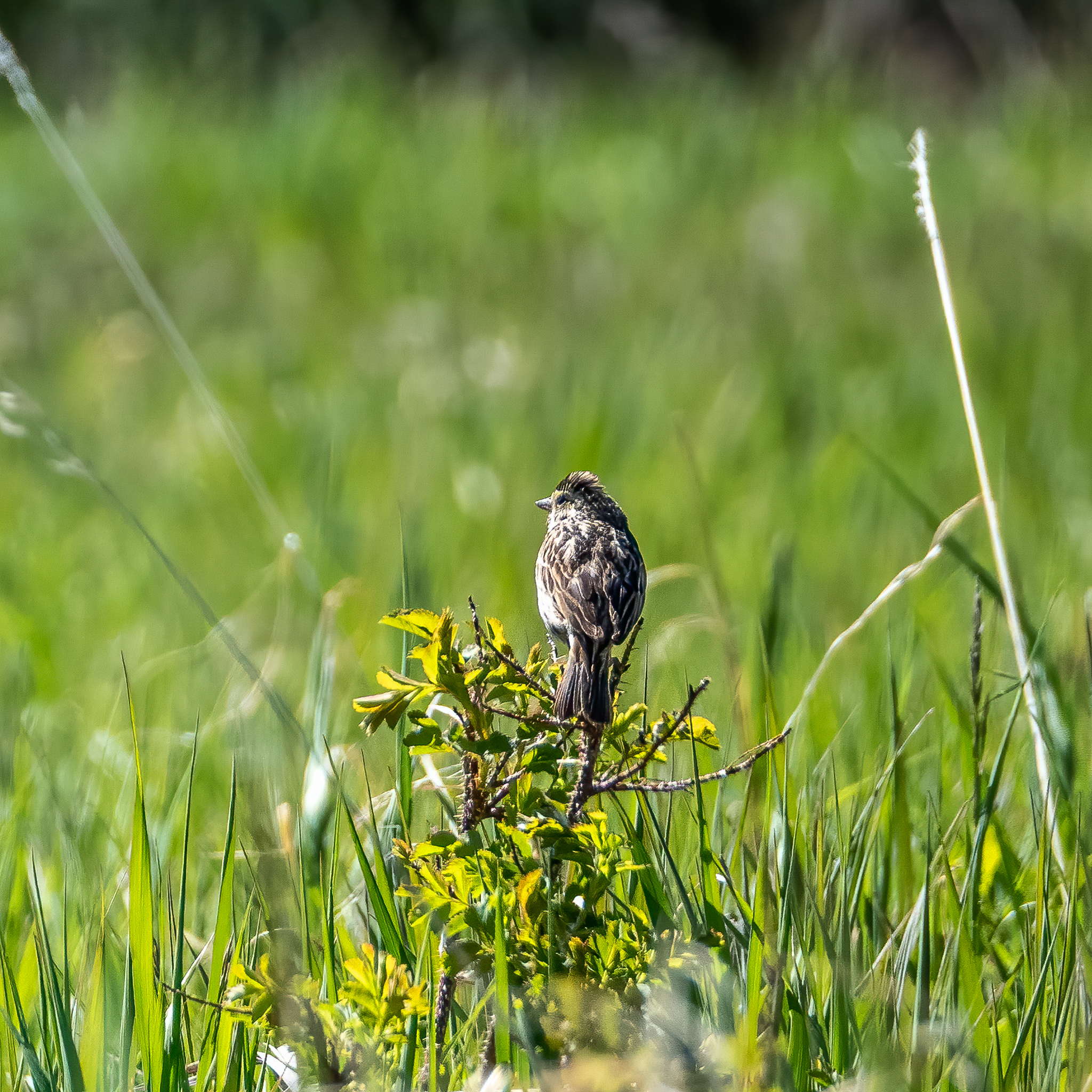
Savannah Sparrows are small and streaked, with a faint yellow mark above the eye. They prefer wet meadows and grassy fields for nesting.
Best Time to See Savannah Sparrows
Late May through July, when males sing from low perches in grasslands.
Brewer’s Blackbird
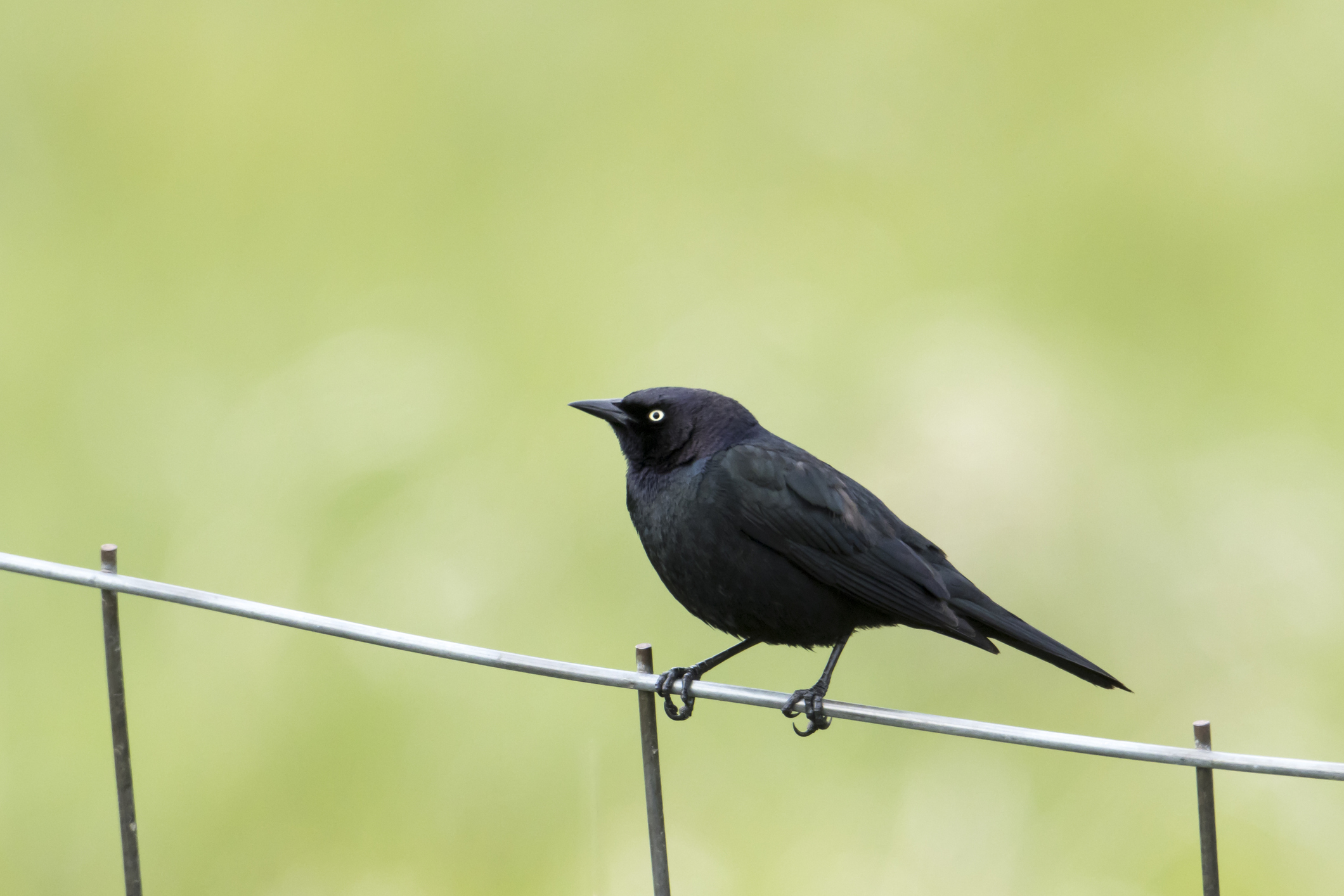
Brewer’s Blackbirds are glossy black with pale eyes. They forage in open areas and gather in flocks near pastures and shorelines.
Best Time to See Brewer’s Blackbirds
Spring through summer, when nesting colonies are active near reservoirs and meadows.
Fox Sparrow
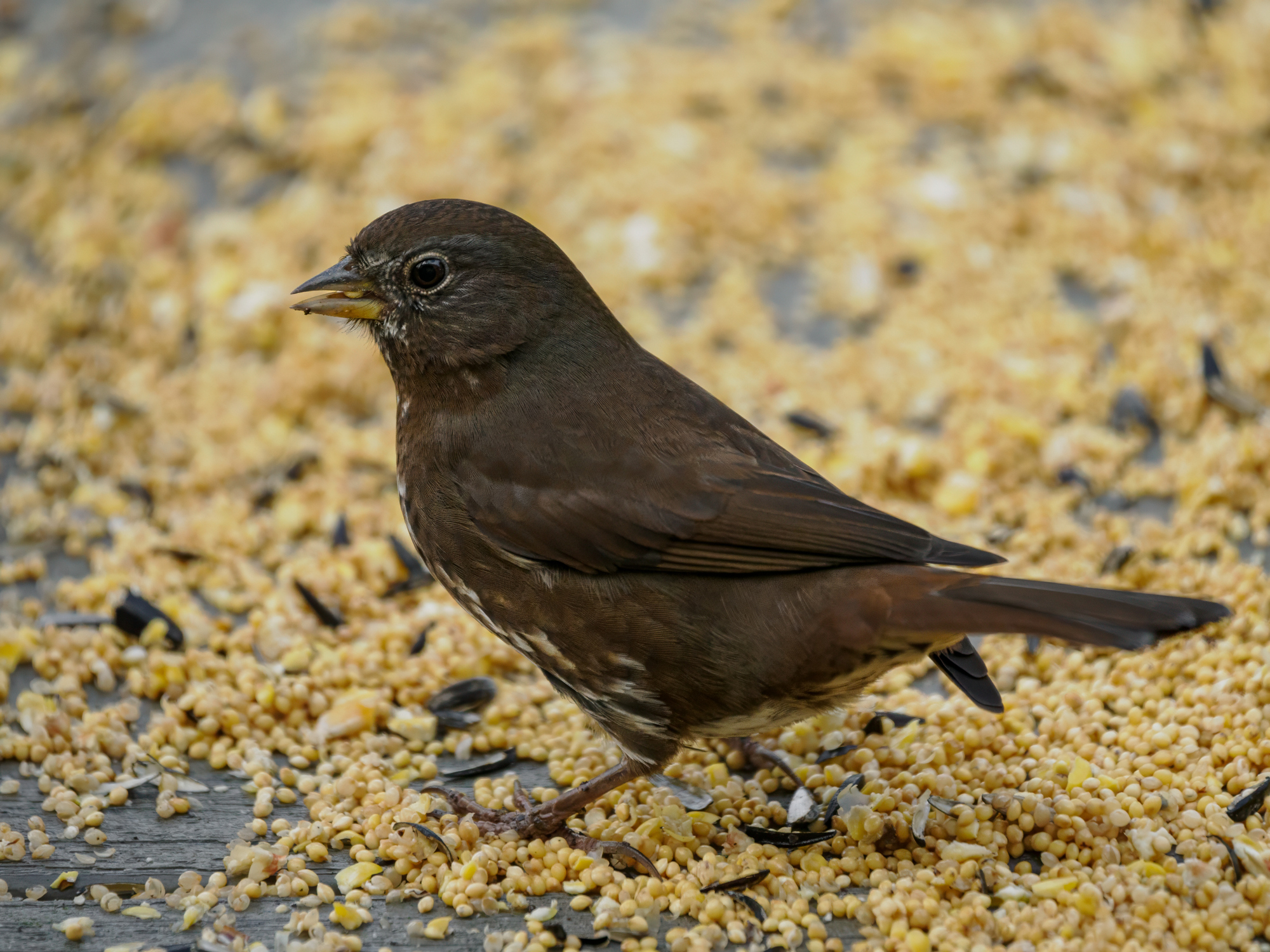
Fox Sparrows are large reddish-brown sparrows that feed on the ground by scratching through leaves and soil. They migrate through Grand County each spring.
Best Time to See Fox Sparrow
April and May, when they pass through during spring migration and stop in brushy areas to feed.