What is Fossil Ridge?
Did you know that the entire state of Colorado was once at the bottom of a vast, life-supporting sea? Take a trip back in time to Kremmling’s Fossil Ridge, also known as the Kremmling Cretaceous Ammonite Locality, and discover the remains of aquatic creatures who once inhabited this ancient ocean.
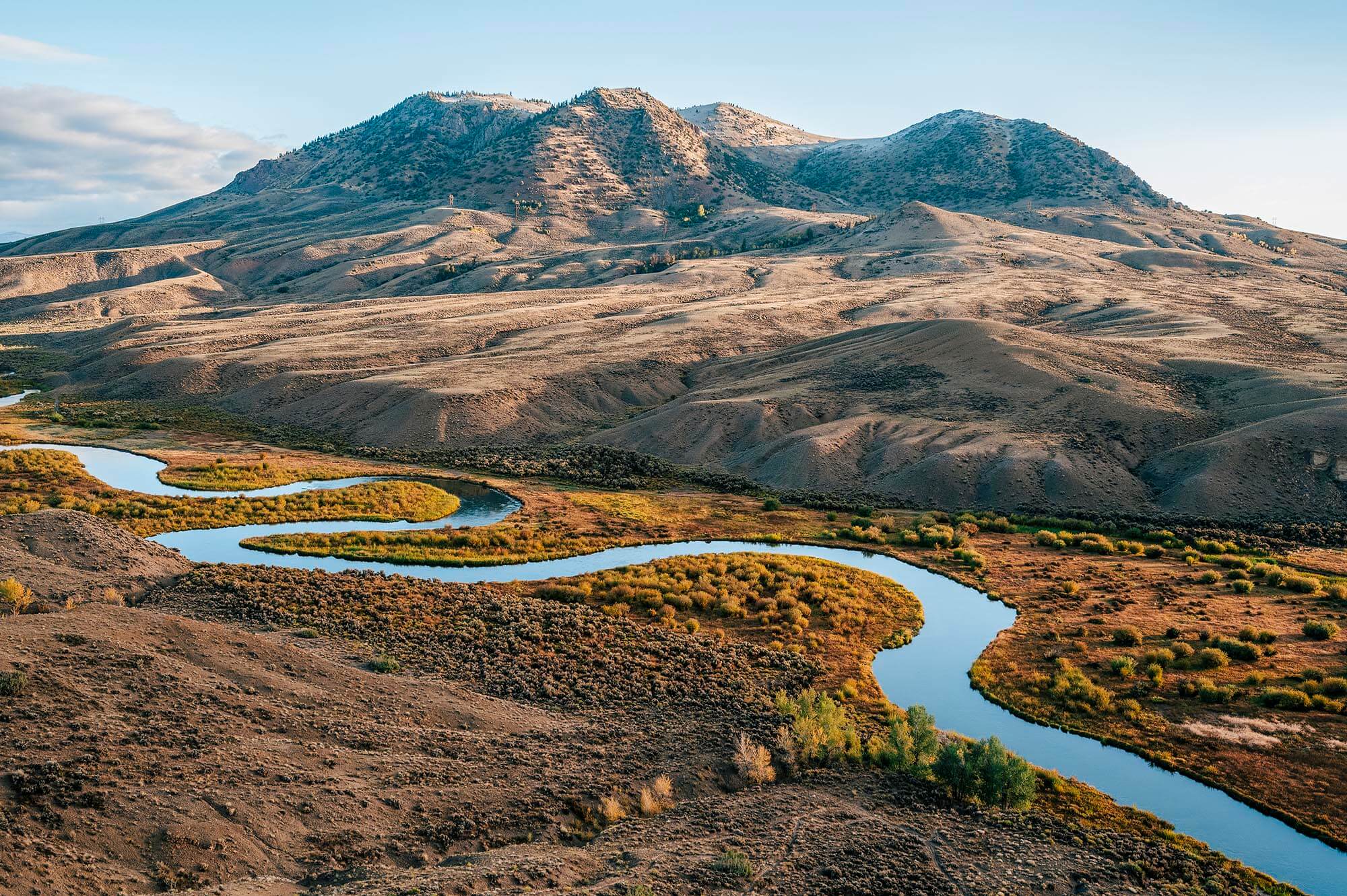
Fossil Ridge is a ridge in Kremmling, Colorado, where the sandstone slabs feature over 100 invertebrate species. As you walk along the sagebrush-spotted landscape, you’ll come across exceptionally large and well-preserved fossils of giant ammonites, nautiloids, bivalves, gastropods and beyond — all over 72.5 million years old. The fossils found here are the largest specimens of this Cretaceous group known in North America. Exceptionally diverse fossil biota, including rare tropical and subtropical forms represent an unusual fossil assemblage in size.
Getting to the Site
To get a map and more information about the Kremmling Cretaceous Ammonite Locality, stop into the Kremmling BLM Field Office. The dirt road to Fossil Ridge requires a four-wheel-drive or all-wheel-drive vehicle with good clearance. There is parking at the bottom of the hill by the site. From there, lace up your shoes and take a slightly steep hike to the top, where you’ll start spotting fossils. Remember to pack plenty of water and wear proper footwear for rugged terrain. Keep an eye on the weather; if a rainstorm or lightening occurs, head back to the car.
As you hunt for fossils on this incredible hike, remember to Stand Grand and Leave No Trace. Always leave natural spaces as you find them.

Protecting the Source Starts with You
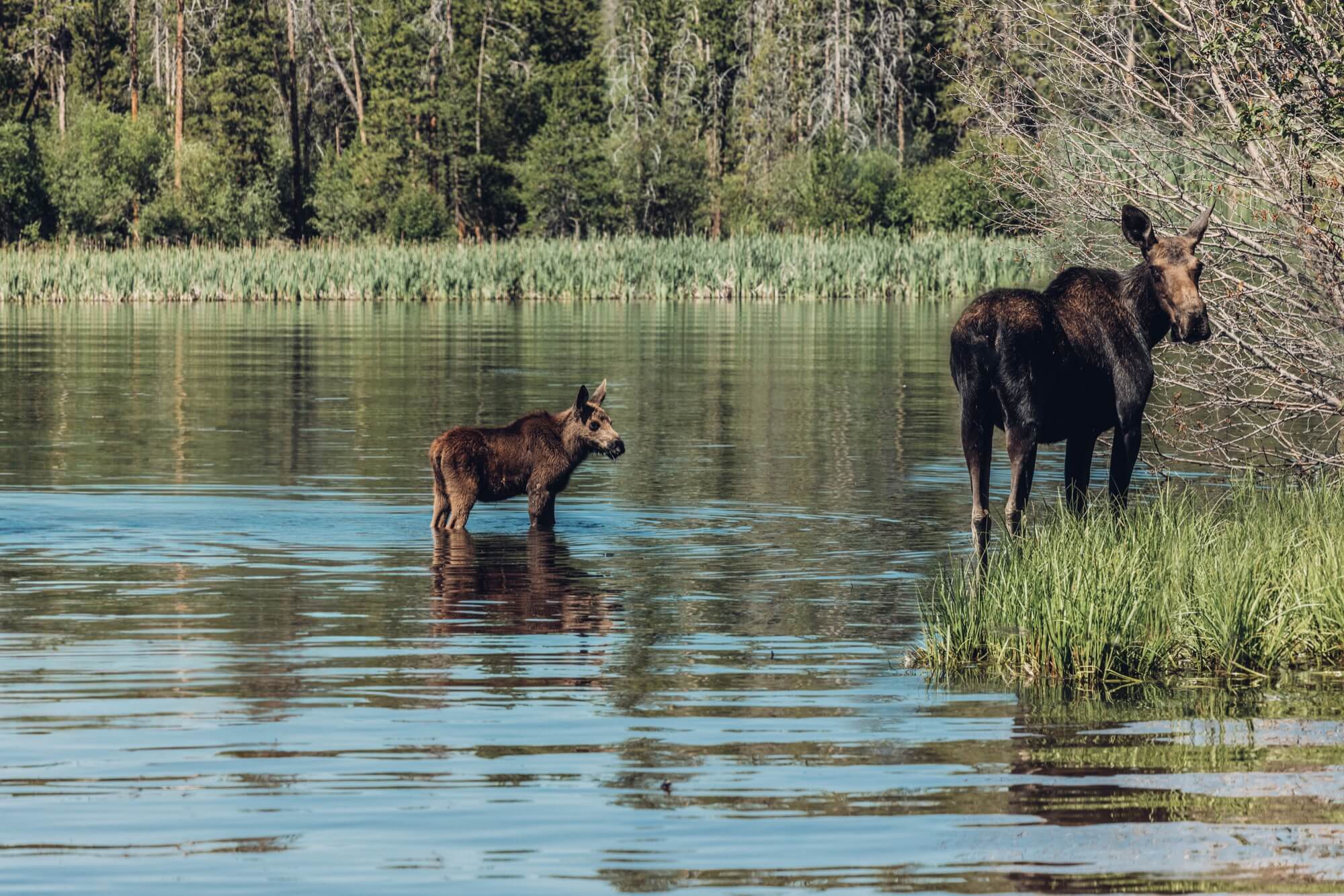
In Grand County, nature isn’t just what you visit — it’s what we protect. From mindful travel habits to supporting local stewardship efforts, small actions add up to big impact. Learn how you can explore responsibly and help keep this place wild for generations to come.
Sign up for the newsletter
Get updates on local events, seasonal highlights, and what’s new in Grand County — straight to your inbox.